
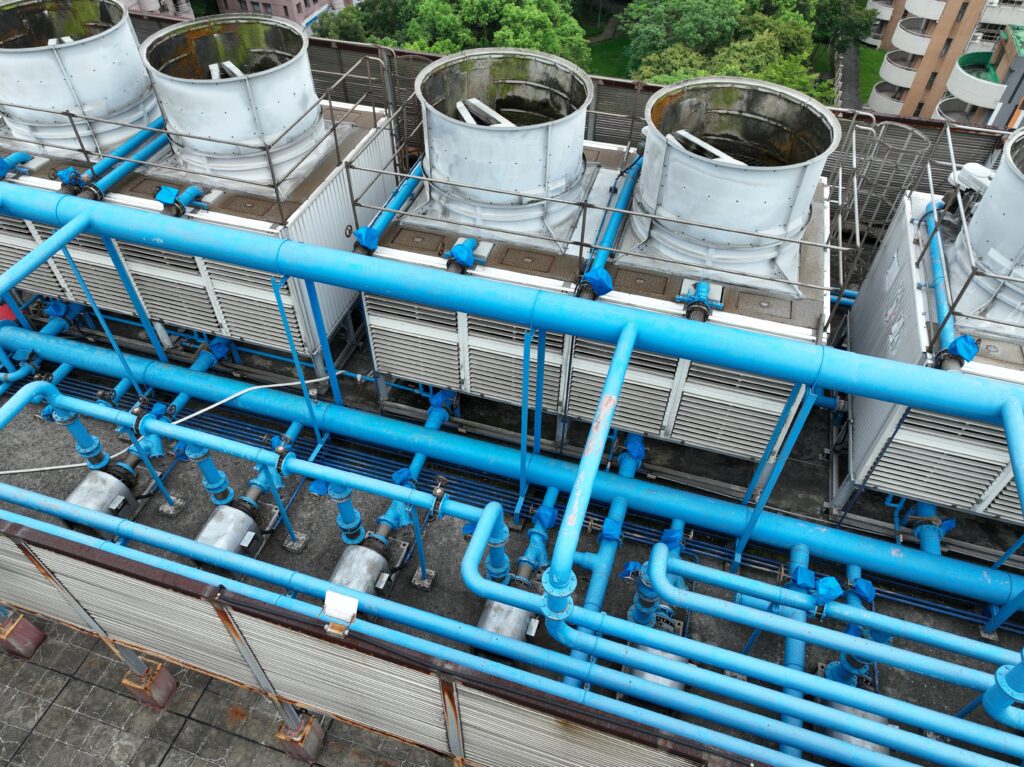
Data centers are being built across Texas at a rapid pace. As artificial intelligence, cloud storage, streaming, and digital infrastructure expand, construction crews are being asked to build larger, more complex facilities under tighter deadlines. For workers, that can mean steady employment and good pay. It can also mean serious safety risks.
A data center construction injury is not always the same as an injury on a typical commercial jobsite. These projects often involve massive electrical systems, heavy mechanical equipment, complex cooling infrastructure, high-pressure timelines, and multiple contractors working in the same space. The result can be a work environment where one mistake, one rushed decision, or one missing safety procedure causes life-changing harm.
Texas is also experiencing a major data center boom. A Texas Tribune analysis identified at least 248 planned data center projects across the state, with many raising concerns about electricity demand, water use, traffic, and the strain these projects place on local infrastructure.
For construction workers, the growth of these projects makes it especially important to understand the hazards before stepping onto the site. Whether you have recently started a job on a new data center build, have noticed dangerous conditions, or have already suffered a workplace injury, here is what you should know.
What Makes Data Center Construction More Dangerous Than Regular Construction Sites?
Every construction site has risks. Workers may face falls, struck-by accidents, collapsing materials, machinery injuries, trench hazards, and exposure to heat or toxic substances. According to construction safety data summarized by OSHA Online Center, construction accounts for a significant share of fatal workplace injuries, and fall protection remains one of the most frequently cited safety standards.
Data center construction adds another layer of danger because these sites are not just large buildings. They are highly engineered industrial facilities. Crews may be installing or working around:
High-voltage electrical equipment, backup generators, massive battery systems, cooling towers, chillers, raised floors, server halls, security systems, concrete tilt walls, steel framing, and complex mechanical, electrical, and plumbing systems.
Because many of these systems must be installed in phases, several trades may work side by side. Electricians, crane operators, concrete crews, HVAC workers, welders, roofers, plumbers, low-voltage technicians, and general laborers may all be moving through the same areas. If communication breaks down, the risk of a data center accident rises quickly.
These projects can also be driven by aggressive deadlines. When developers, owners, and contractors push to get a facility online quickly, workers may face longer hours, crowded work zones, rushed inspections, or pressure to keep moving even when conditions are unsafe.
Additional Factors to Consider
Texas weather can make these dangers worse. Extreme heat, sudden storms, high winds, and flooding can all affect construction safety. A worker installing equipment on a roof, guiding loads from a crane, or handling electrical components may face different risks when the temperature is dangerous or when storms move in quickly.
There is also the issue of scale. Some data centers are built as campuses, not single buildings. That means more traffic, more heavy equipment, more temporary power, more deliveries, and more chances for confusion between contractors. On a site this large, a worker may not always know who controls a hazard or who is responsible for correcting it.
Top Risk Factors in a Data Center Construction Site
1. Quicker Build Times
Speed is one of the biggest safety concerns in Texas data center construction. When a project is behind schedule, workers may be asked to work overtime, skip breaks, or complete tasks before all safety measures are in place.
Rushed work can lead to missing guardrails, improper lockout/tagout procedures, poorly secured materials, incomplete inspections, and workers entering areas where they should not be. It can also cause fatigue. Tired workers are more likely to make mistakes, miss hazards, or suffer injuries while operating equipment.
Fast schedules can be especially dangerous when several contractors are trying to finish different parts of the project at the same time. For example, one crew may be installing electrical systems while another is moving heavy materials nearby. Without strong coordination, workers can be exposed to energized equipment, falling objects, or moving machinery.
2. Size of the Build
Modern data centers can cover enormous areas. Some projects include multiple buildings, substations, utility yards, cooling systems, security fencing, and large parking or staging areas. Bigger sites usually mean more workers, more vehicles, and more hazards.
Large construction zones increase the risk of:
Falls from heights, crane and rigging accidents, forklift and truck collisions, wall collapse incidents, scaffolding failures, struck-by injuries, and delayed emergency response.
A serious construction site injury can happen when heavy materials are moved without proper signaling or when workers enter restricted areas without realizing active work is taking place overhead. Large concrete panels, steel beams, and prefabricated equipment can cause catastrophic injuries if they shift, fall, or are installed incorrectly.
Wall failures are a major concern on large builds. Workers who are injured in a wall collapse may face traumatic brain injuries, spinal cord injuries, broken bones, internal injuries, or fatal harm. Falcon Law Group has discussed similar issues involving wall collapse liability in San Antonio.
3. Complex Engineering
Data centers require precise engineering. Unlike a standard warehouse, a data center must support heavy server loads, constant cooling, backup power, fire suppression, and strict climate control. That complexity can increase risk during construction.
Electrical work is one of the clearest examples. Workers may be exposed to temporary power, high-voltage systems, transformers, switchgear, generators, and battery storage. Electrical injuries can include burns, shocks, arc flash injuries, nerve damage, cardiac complications, or death.
Mechanical systems can also be dangerous. Cooling equipment, pipes, pumps, and pressurized systems may create risks during installation and testing. A worker may be injured by a release of pressure, a failed component, or equipment that starts unexpectedly.
4. Huge Water and Electrical Needs
Data centers need enormous amounts of power, and some also require major water infrastructure for cooling. Data center growth has raised questions about the electric grid, water supply, backup generators, and the impact of large projects on surrounding communities.
During construction, that means workers may be involved in building or installing utility connections, electrical substations, cooling systems, pumps, tanks, and drainage systems. These tasks can expose workers to trench hazards, electrical hazards, confined spaces, chemical exposure, and heavy equipment accidents.
Electrical work deserves special attention. A construction accident involving power systems can happen before a facility is operational. Temporary power, testing procedures, and partially installed systems can be just as dangerous as finished equipment if safety rules are not followed.
Water systems can create risks too. Trenches may collapse. Wet areas may increase slip hazards. Improper drainage can make equipment unstable. If workers are retrofitting an existing facility, they may also encounter older systems that were not designed for the new load.
5. Additional Risks of Renovations and Retrofitting
Not every data center project starts from bare land. Some involve converting existing buildings or expanding older facilities. Renovations and retrofits can be especially hazardous because workers may be dealing with unknown conditions.
Existing electrical systems may not be clearly labeled. Structural supports may have been modified in the past. Older materials may contain hazardous substances. Workers may also be asked to complete upgrades while parts of the facility remain active.
Retrofitting can create risks such as:
- Unexpected electrical exposure
- Falling materials during demolition
- Confined space injuries
- Dust and chemical exposure
- Structural instability
- Fires
When owners or contractors fail to inspect the site, warn workers, or coordinate trades, injured workers may have legal options. Falcon Law Group has more information for workers who were injured while working at a data center construction site in Texas.
Suing an Employer After a Work Injury
After a workplace injury, many Texas workers are unsure what they can do next. The answer often depends on who employed you, whether your employer carries workers’ compensation insurance, and whether another company contributed to the accident.
Texas is unusual because many employers are not required to carry traditional workers’ compensation insurance. Employers that do not subscribe to the Texas workers’ compensation system may face injury lawsuits when their negligence harms an employee.
If your employer does have workers’ compensation coverage, you may be able to file a workers’ comp claim for medical care and income benefits. In many cases, workers’ compensation limits your ability to sue your direct employer. Falcon Law Group provides more information about workers’ compensation for injured workers.
Contractor Rights in Texas
Data center sites often rely on contractors and subcontractors. If you are a contractor, your rights may depend on your employment classification, your contract, and who controlled the work that caused your injury.
You should not assume that you have no rights just because you are called a contractor. In some cases, companies misclassify workers or try to avoid responsibility after an accident. In other cases, a contractor may have a strong claim against a third party that created the unsafe condition.
Common legal issues after a data center construction injury include:
- Who controlled the worksite
- Who created the hazard
- Whether safety rules were ignored
- Whether proper training was provided
- Whether equipment was defective
- Whether the worker was misclassified
- Whether workers’ compensation applies
If a construction accident causes a fatal injury, surviving family members may also have a wrongful death claim.
When to Contact an Attorney
You should contact an attorney as soon as possible after a serious data center accident. Evidence can disappear quickly. Contractors may leave the site, equipment may be repaired, hazards may be corrected, and witnesses may become difficult to locate.
A lawyer can review what happened, identify responsible parties, preserve evidence, and explain whether you may have a workers’ compensation claim, a personal injury claim, or both.
The Falcon Law Group Represents Injured Texas Workers
The Falcon Law Group represents injured workers and families after serious construction accidents in Texas. If you were hurt on a data center project, you deserve answers about what went wrong and who may be responsible.
Our team handles Austin personal injury cases and claims involving construction accidents. When you work with an experienced personal injury attorney, you can better understand your options and protect your future.
A data center job can be demanding, but it should not cost you your health, your income, or your life. If you suffered a workplace injury on a data center construction site, call The Falcon Law Group at [text_phone] or contact us to discuss your case.