
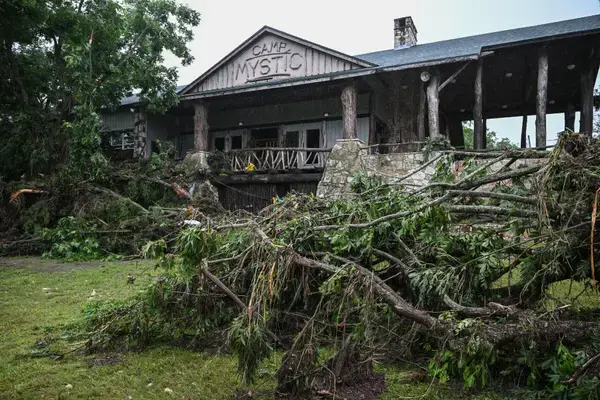
When natural disasters strike, the devastation can feel overwhelming and beyond anyone’s control. Floods, storms, and other extreme weather events are often described as acts of God, sudden, powerful, and impossible to stop. But in some cases, tragedy is not caused by nature alone. When severe weather intersects with ignored warnings, delayed decisions, or failures in emergency planning, a preventable disaster can become even more devastating.
That is why the Camp Mystic tragedy continues to raise difficult but necessary questions. What happened on the night of the flood was heartbreaking. And now, as litigation moves forward, families are no longer asking only what happened, but whether more should have been done to protect the children entrusted to the camp’s care.
At Falcon Law Group, we believe accountability matters most when vulnerable lives are placed in someone else’s hands. When negligence may have contributed to catastrophic harm, families deserve answers, and the law may provide a path toward justice, truth, and healing.
The “Act of God” Defense and Why It May Not End the Case
In cases involving floods and extreme weather, defendants often point to the act of God defense. Under Texas law, that defense generally argues that the harm was caused solely by natural forces so unusual and overwhelming that no human action could have prevented the outcome. The key word, however, is solely.
That defense becomes much weaker when there is evidence that human choices may have made the danger worse or failed to reduce foreseeable risk. If warnings were missed, evacuation procedures were delayed, staff were not adequately trained, or safety planning was inadequate for a known flood-prone area, then the event may no longer be viewed as purely unavoidable. The law often asks not only whether nature caused the flood, but whether reasonable people in positions of responsibility should have done more before disaster struck.
That is exactly why the Camp Mystic case has become so significant. The original questions about possible negligence have now been sharpened by testimony and court findings that point to more than just bad weather.
What the Active Lawsuit Has Added to the Story
The lawsuit now moving through Texas court was brought by the family of 8-year-old camper Cecilia “Cile” Steward, whose body still had not been recovered as of the April 2026 hearing. The suit accuses Camp Mystic of gross negligence and seeks, among other relief, to preserve the camp site and physical evidence central to the case.
During that hearing, a Camp Mystic night watchman, Glenn Juenke, acknowledged under questioning that more lives could have been saved if campers and counselors had been warned to leave earlier. According to reporting on the testimony, he agreed that if someone had used speakers or walkie-talkies to direct them to evacuate before 3 a.m., those who died would have survived. That is an extraordinary detail in any negligence case because it goes directly to causation: whether a timely warning could have changed the outcome.
The judge also upheld an order barring Camp Mystic from altering, demolishing, repairing, or reconstructing certain flood-damaged buildings and other relevant parts of the property while the civil case moves forward. The purpose is clear: preserve evidence. In catastrophic injury and wrongful death litigation, physical conditions at the scene can be essential to understanding what happened, how quickly the danger escalated, what escape routes existed, and whether safer decisions were possible.
The Duty of Care for Texas Summer Camps
Texas summer camp staff have a profound responsibility: to protect the children entrusted to their care. Under state law, camp operators act in “loco parentis”: a Latin term meaning “in the place of a parent.” This legal concept imposes a heightened duty of care, requiring camp staff and administrators to take all reasonable steps to ensure the safety, well-being, and protection of their campers.
This duty becomes especially urgent in high-risk situations, such as severe weather events, where quick decision-making can mean the difference between safety and tragedy.
Camp operators in Texas are legally obligated to:
- Monitor and respond to weather alerts and emergency advisories
- Have and follow a written emergency preparedness and evacuation plan
- Train staff to recognize and respond to imminent hazards
- Maintain safe physical conditions and access to emergency shelter
- Supervise campers appropriately based on age, ability, and risk factors
- Act in the best interest of the child, as a reasonable parent would under similar circumstances
What Does It Mean For Victims
Recent testimony has intensified scrutiny over whether those duties were fulfilled. According to the Associated Press, Camp Mystic officials were questioned about missed weather warnings, delayed evacuation decisions, and whether required reporting and safety obligations were properly handled after the disaster.
There was testimony that the camp’s medical officer had still not officially reported the deaths to the state health agency that regulates camps, even though Texas administrative rules require camps to report deaths within 24 hours. Meanwhile, the state said it is reviewing complaints, conducting an inspection process tied to the camp’s license application, and coordinating with the Texas Rangers.
These developments matter because they may help establish not just that a tragedy occurred, but whether legal duties were breached before, during, and after the flood.
Key Liability Questions Now Taking Shape
As this case develops, several liability issues appear increasingly important.
Did They Take Reasonable Action?
First is whether Camp Mystic acted reasonably in light of the flood risk. The lawsuit alleges that the camp ignored longstanding flood danger and failed to meaningfully improve vulnerability despite warnings and available guidance.
Were There Sufficient Plans in Place?
Second is whether the camp had an adequate written evacuation and emergency response plan, and whether staff were trained to carry it out. One report on the court ruling states that the judge said the defendants may have violated Texas administrative requirements by failing to maintain a written evacuation plan or documented safety training, a finding that could support negligence arguments.
Did They Ignore Warnings?
Third is whether earlier warnings or evacuation orders would have saved lives. That question is now impossible to ignore after hearing testimony from the night watchman. In many negligence cases, that is the turning point: not whether the weather was severe, but whether a preventable delay cost precious time.
Is There Evidence at the Campsite?
Fourth is whether evidence has been preserved and whether the condition of the camp itself may reveal failures in layout, safety planning, access, or emergency response. The court’s injunction preserving cabins, grounds, the office building, recreation hall, and commissary underscores how important that physical evidence may be.
What Legal Options May Be Available to Families
For families affected by the Camp Mystic flood, the legal system cannot undo what happened. But it may be able to provide a path to demand answers and accountability.
Depending on the facts of each family’s case, possible legal avenues may include wrongful death claims, negligence claims, premises liability claims, and survivor claims for children who endured physical or emotional trauma. In some cases, families may also pursue damages tied to long-term psychological harm, loss of companionship, funeral expenses, medical costs, and other consequences recognized under Texas law. The specific claims available will depend on each child’s experience, the evidence that emerges, and the parties who may bear responsibility.
Importantly, the current lawsuit also shows that litigation can serve another purpose beyond compensation: preservation of evidence. Before a case ever reaches trial, families may need court intervention to stop a defendant from changing or reopening parts of a property in ways that could erase critical proof. That is exactly what has happened here.
Seeking justice in a case like this is not about punishing grief or second-guessing every impossible moment. It is about determining whether the people and institutions with a duty to protect children failed to act when action mattered most.
How a Personal Injury Law Firm Can Help After a Catastrophic Camp Injury or Death
When families are grieving, traumatized, and searching for clarity, legal action can feel overwhelming. A personal injury law firm can help shoulder that burden by investigating the facts, preserving evidence, identifying responsible parties, consulting experts, and handling communication with insurers and defense counsel.
In a case involving catastrophic flooding, that investigation may include reviewing weather alerts, radio communications, emergency plans, staff training records, property maps, maintenance records, inspection materials, and witness testimony. It may also require working with hydrology experts, emergency management professionals, and child safety specialists to understand what should have happened and whether the harm could have been prevented.
Just as importantly, experienced counsel can help families make informed decisions at each stage of the process, from evidence preservation to filing claims to preparing for trial.
If Your Family Was Affected by the Camp Mystic Flood, Contact Falcon Law Group
No family should have to carry unanswered questions after entrusting a child to a summer camp. If your child was injured, traumatized, or lost in the Camp Mystic flood, you may have legal rights worth exploring.
At Falcon Law Group, we understand that cases like this are about far more than paperwork or compensation. They are about truth, accountability, and making sure preventable failures are not hidden behind the language of tragedy. If negligence played a role in the Camp Mystic disaster, your family deserves compassionate guidance and a legal team prepared to fight for answers.
Contact Falcon Law Group today to discuss your options and learn how we may be able to help your family pursue justice.